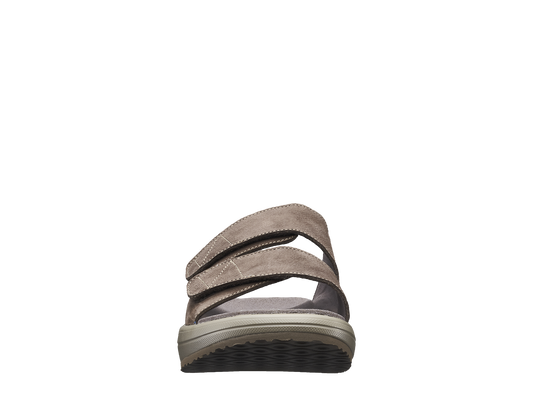
Which shoes are suitable for Morton’s neuroma?

Ratgeber Health | Morton’s neuroma

For Morton’s neuroma, shoes with a wide toe box, good fit, comfortable cushioning and as little pressure on the forefoot as possible are particularly important. They can improve wearing comfort and reduce pressure between the metatarsal bones.

Joya offers comfort-oriented models that are appreciated by many people with sensitive forefeet.

Note: Shoes cannot heal Morton’s neuroma. If symptoms persist or are severe, an orthopaedic specialist should be consulted.

Am I affected?

  • You have Morton’s neuroma
  • You experience burning or stabbing pain in the forefoot
  • You have numbness in your toes
  • You are looking for shoes with a wide toe box
  • You wear insoles
  • You want to improve walking comfort

Possible causes

  • Tight shoes
  • High heels
  • Overloading of the forefoot
  • Repeated pressure
  • Foot deformities such as splay foot
  • Athletic strain
  • Altered foot alignment
  • Irritation of the nerve
  • Unsuitable footwear
  • Prolonged walking or standing

What role does the shoe play?

Morton’s neuroma is a painful irritation or thickening of a nerve between the metatarsal bones, usually between the third and fourth toes. Suitable shoes can reduce pressure on the forefoot and make everyday activities more comfortable.

Wide toe box

takes pressure off the nerves between the metatarsal bones.

Good fit

prevents the forefoot from being compressed from the sides.

Comfortable cushioning

relieves the ball of the foot on hard surfaces.

Harmonious rolling motion

shortens the loading phase in the forefoot.

No constricting pressure in the forefoot

reduces friction and irritation around the ball of the foot.

Shoes are not a substitute for a medical diagnosis. If symptoms persist or are severe, we recommend seeking medical advice.

In brief

Morton’s neuroma usually affects the area between the third and fourth toes.

A wide toe box can reduce pressure in the forefoot.

Tight shoes can intensify symptoms.

Fit is more important than maximum softness.

Depending on the situation, insoles may be useful.

Persistent pain should be medically assessed.

Buying guide

With Morton’s neuroma, the amount of space in the forefoot determines wearing comfort. Pay particular attention to the ball of the foot when trying shoes on.

Anprobe-Tipp Warum
Try them on in the afternoon or evening Feet are then slightly swollen
Wear everyday socks Realistic wearing experience
Make sure there is enough space in the forefoot Relieves the irritated nerve
Check for pressure points between the toes Pressure can intensify the irritation
Bring insoles when trying shoes on They change the amount of space available in the shoe

Joya develops shoes with a focus on comfort-oriented walking. Depending on the model, they offer FOREVERFOAM®, different lasts, high-quality materials and a soft rolling motion. Some models provide enough room for individual insoles.

Morton’s neuroma - Frequently asked questions

Which shoes are suitable for Morton’s neuroma?
Shoes with a wide toe box, good fit, comfortable cushioning and as little pressure on the forefoot as possible are recommended.
Are Joya shoes suitable for Morton’s neuroma?
Many people with sensitive forefeet choose Joya because of the high level of walking comfort. Individual suitability should be assessed by trying the shoes on.
Can shoes heal Morton’s neuroma?
No. Shoes can reduce pressure on the forefoot and improve comfort, but they are not a substitute for medical treatment.
Are soft shoes better?
The decisive factors are the combination of fit, pressure relief, cushioning and stability.
Are insoles useful?
Depending on the situation, individually fitted insoles may be recommended. This should be discussed with a specialist.
Should I avoid high heels?
High heels increase the load on the forefoot and are often not recommended for Morton’s neuroma.
What role does the toe box play?
A wide toe box gives the toes more room and can reduce pressure on the irritated nerve.
Can I do sports?
Depending on your symptoms, physical activity may be possible. The level of strain should be adjusted individually.
Which shoes should I avoid?
Very tight or pointed shoes can intensify symptoms.
How do I find the right Joya shoe?
Foot shape, intended use and personal preferences are decisive. Trying the shoes on is recommended.
When should I seek medical advice?
In the event of severe pain, persistent numbness or worsening symptoms, a medical assessment should be carried out.

Related topics